Author: SEO Marketing

  • How to Survive a 90-Day Payment Cycle

    How to Survive a 90-Day Payment Cycle

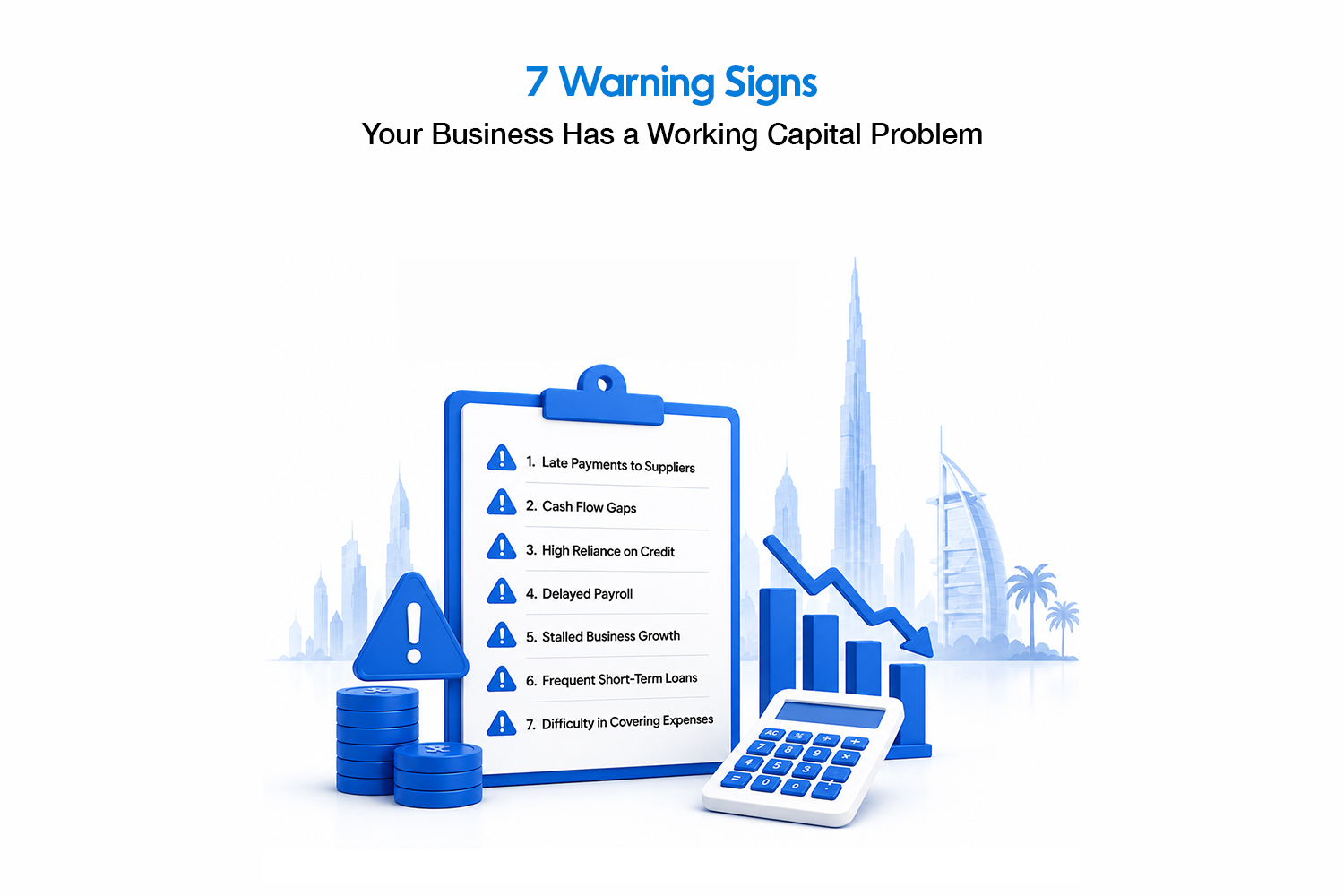
    For many businesses in the UAE, securing a large contract is a reason to celebrate until the payment terms arrive. Waiting 60, 90, or even 120 days to receive payment has become common across industries such as trading, manufacturing, logistics, wholesale, construction, and B2B services. While delayed payments may be standard practice, they can create serious financial pressure for growing businesses. 

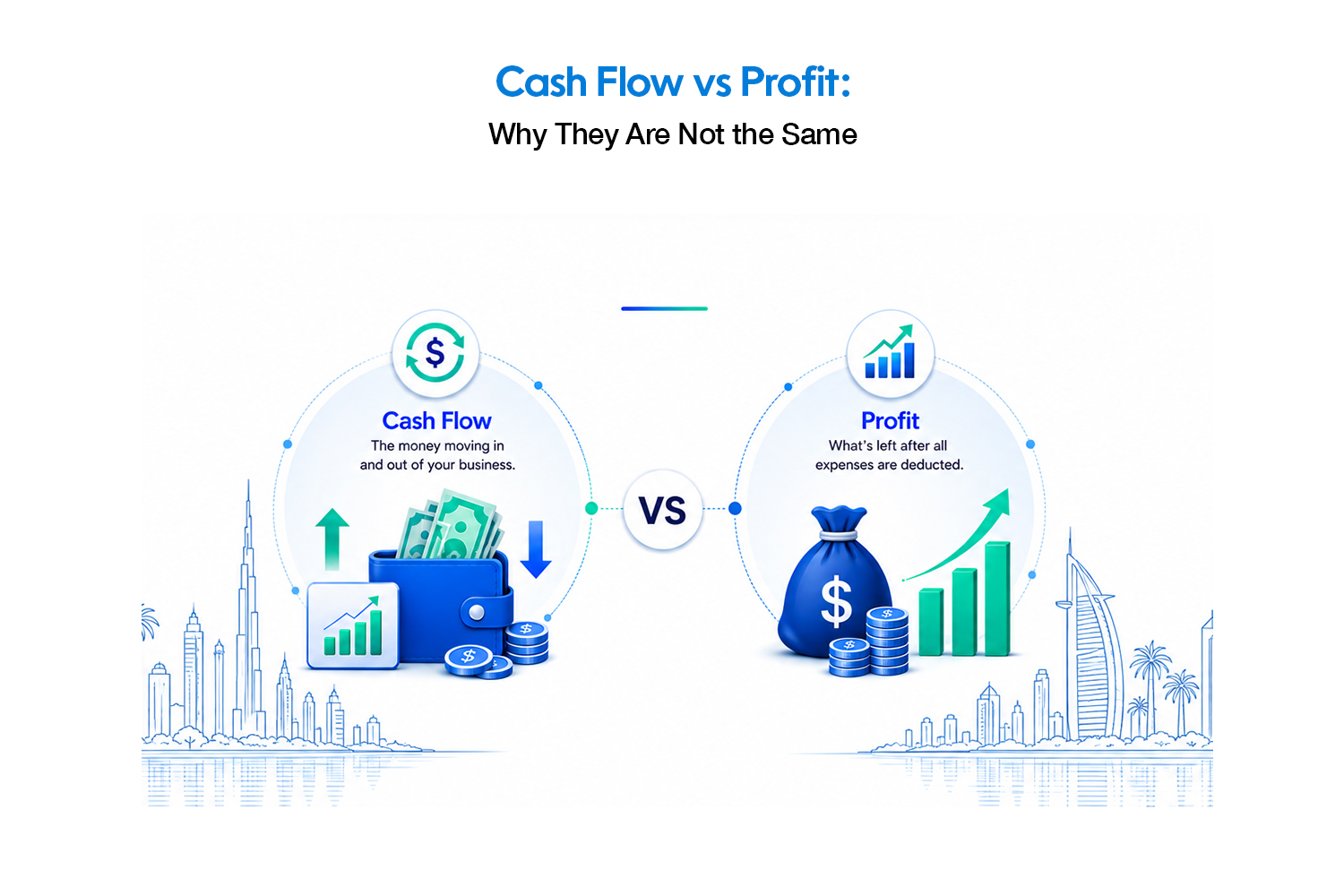
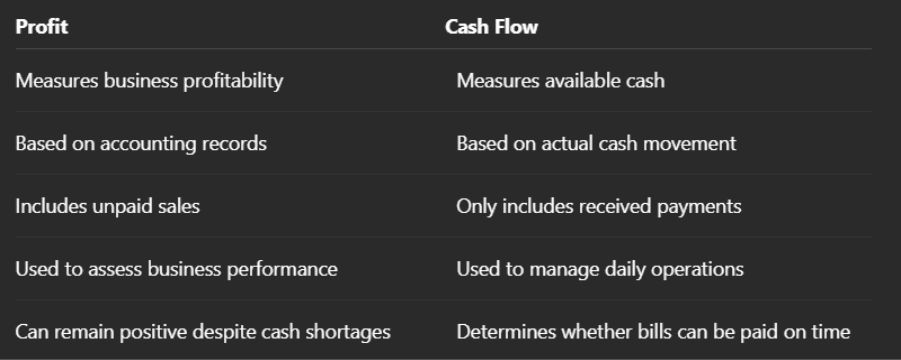
    The challenge isn’t always profitability; it’s liquidity. A company can be generating healthy revenue while struggling to pay suppliers, salaries, rent, or operating expenses because cash is tied up in unpaid invoices. 

    If your business is facing long payment cycles, adopting the right cash flow solutions in the UAE can help maintain financial stability, protect business liquidity, and support continued growth. 

    Why 90-Day Payment Cycles Are a Challenge 

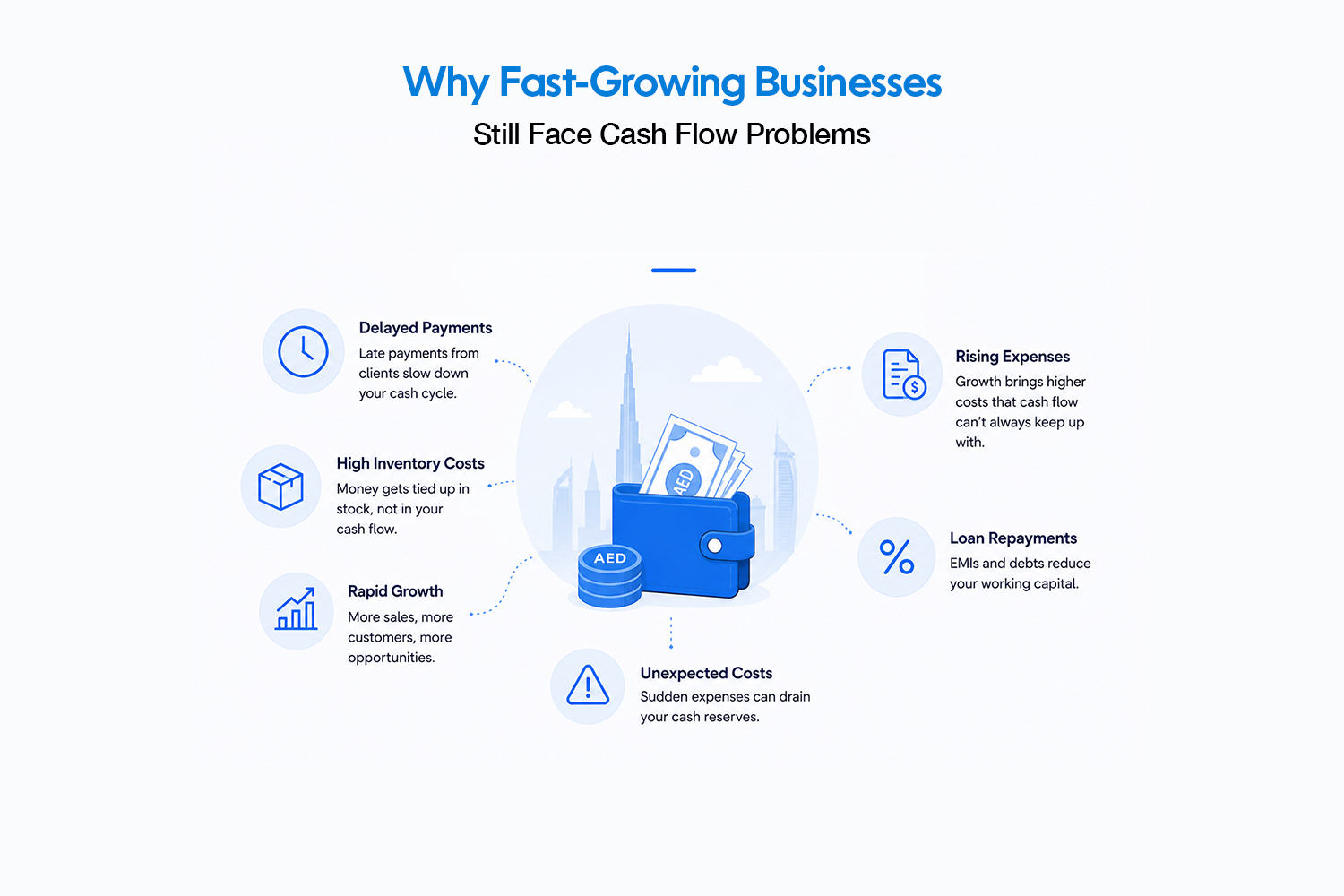
    When customers take three months to settle invoices, your business still needs to cover everyday expenses immediately. These may include: 

    • Supplier payments 
    • Employee salaries 
    • Inventory purchases 
    • Marketing campaigns 
    • Warehouse and operational costs 
    • Utility bills and rent 

    Without sufficient working capital, even successful businesses can experience cash flow shortages that slow growth or force them to decline new opportunities. 

    This is why improving business liquidity in the UAE has become a top priority for SMEs. 

    The Hidden Cost of Delayed Payments 

    Long payment cycles don’t just delay revenue—they affect your entire business ecosystem. 

    Some common consequences include: 

    • Delayed supplier payments that damage relationships 
    • Missed growth opportunities due to lack of funds 
    • Difficulty maintaining inventory levels 
    • Increased reliance on expensive short-term borrowing 
    • Reduced negotiating power with vendors 
    • Higher financial stress for business owners 

    The longer your receivables remain unpaid, the harder it becomes to maintain healthy operations. 

    7 Practical Ways to Survive a 90-Day Payment Cycle 

    1. Improve Your Cash Flow Forecasting 

    A detailed cash flow forecast helps you understand when money will enter and leave your business. Planning weekly or monthly allows you to anticipate funding gaps before they become emergencies. 

    Track: 

    • Expected customer payments 
    • Supplier due dates 
    • Payroll obligations 
    • Tax and VAT payments 
    • Recurring business expenses 

    Accurate forecasting gives you time to prepare instead of reacting to financial pressure. 

    2. Build Strong Working Capital Reserves 

    Healthy working capital in the UAE enables businesses to continue operating even when customer payments are delayed. 

    Rather than relying solely on future receivables, maintain a financial buffer that can cover essential operating expenses during slower payment periods. 

    3. Negotiate Better Supplier Terms 

    Many suppliers are willing to extend payment periods for reliable customers. 

    If your clients pay in 90 days, negotiating supplier terms of 45 or 60 days can significantly reduce cash flow pressure and improve your liquidity position. 

    Strong supplier relationships often create more financial flexibility than businesses realize. 

    4. Accelerate Customer Collections 

    Small improvements in collections can have a significant impact. 

    Consider: 

    • Sending invoices immediately after delivery 
    • Automating payment reminders 
    • Offering early payment incentives 
    • Following up before due dates 
    • Using digital invoicing systems 

    Reducing your average collection period by even a few days can improve cash flow throughout the year. 

    5. Unlock Cash from Outstanding Invoices 

    One of the most effective cash flow solutions in the UAE is invoice financing. 

    Instead of waiting 90 days for customers to pay, businesses can access a large portion of the invoice value immediately. This allows them to continue paying suppliers, purchasing inventory, and funding growth without interrupting operations. 

    Invoice financing is particularly valuable for businesses with reliable customers but lengthy payment terms. 

    6. Diversify Your Funding Options 

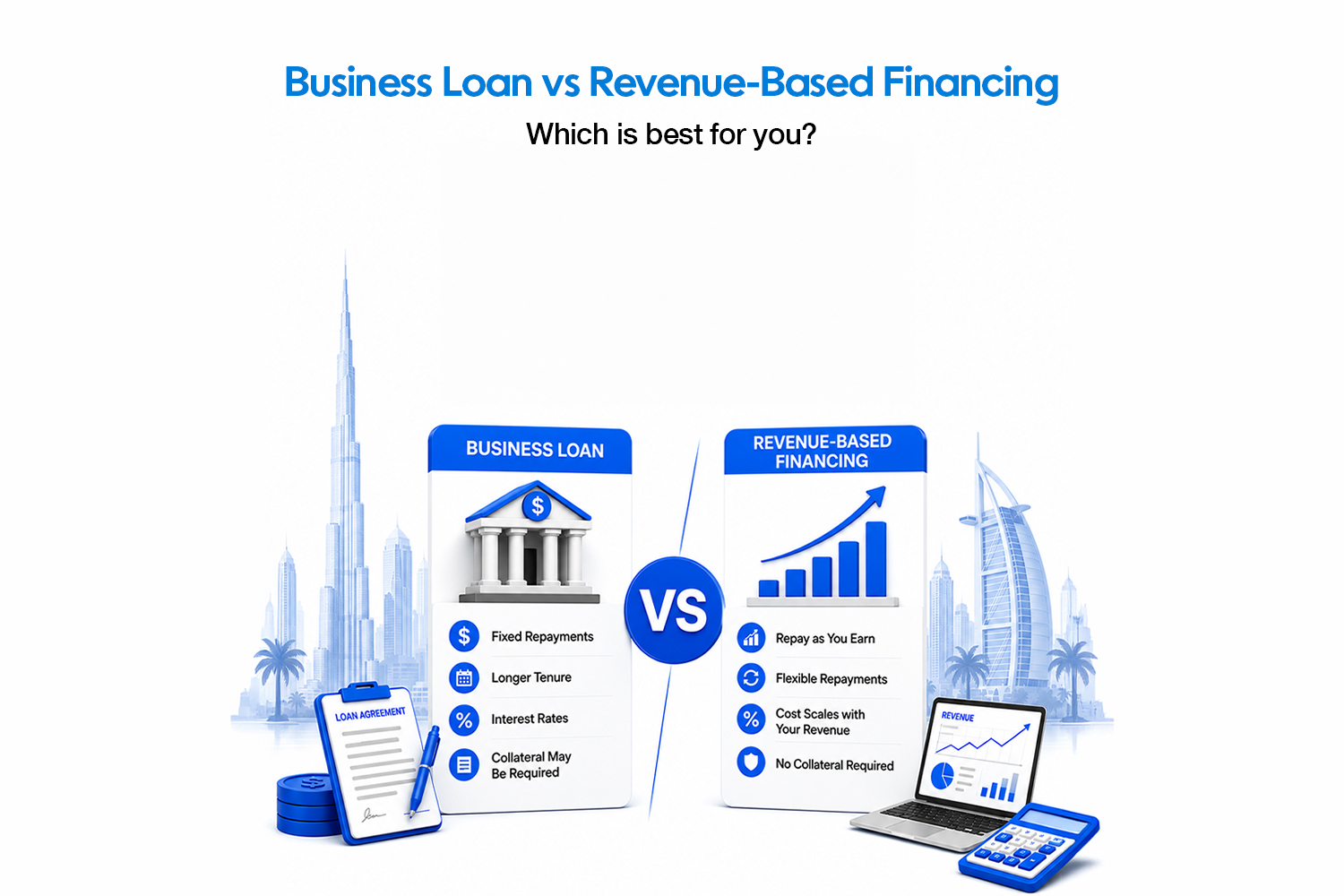
    Traditional business loans aren’t always the best solution for temporary liquidity challenges. 

    Modern business financing in the UAE offers flexible alternatives such as: 

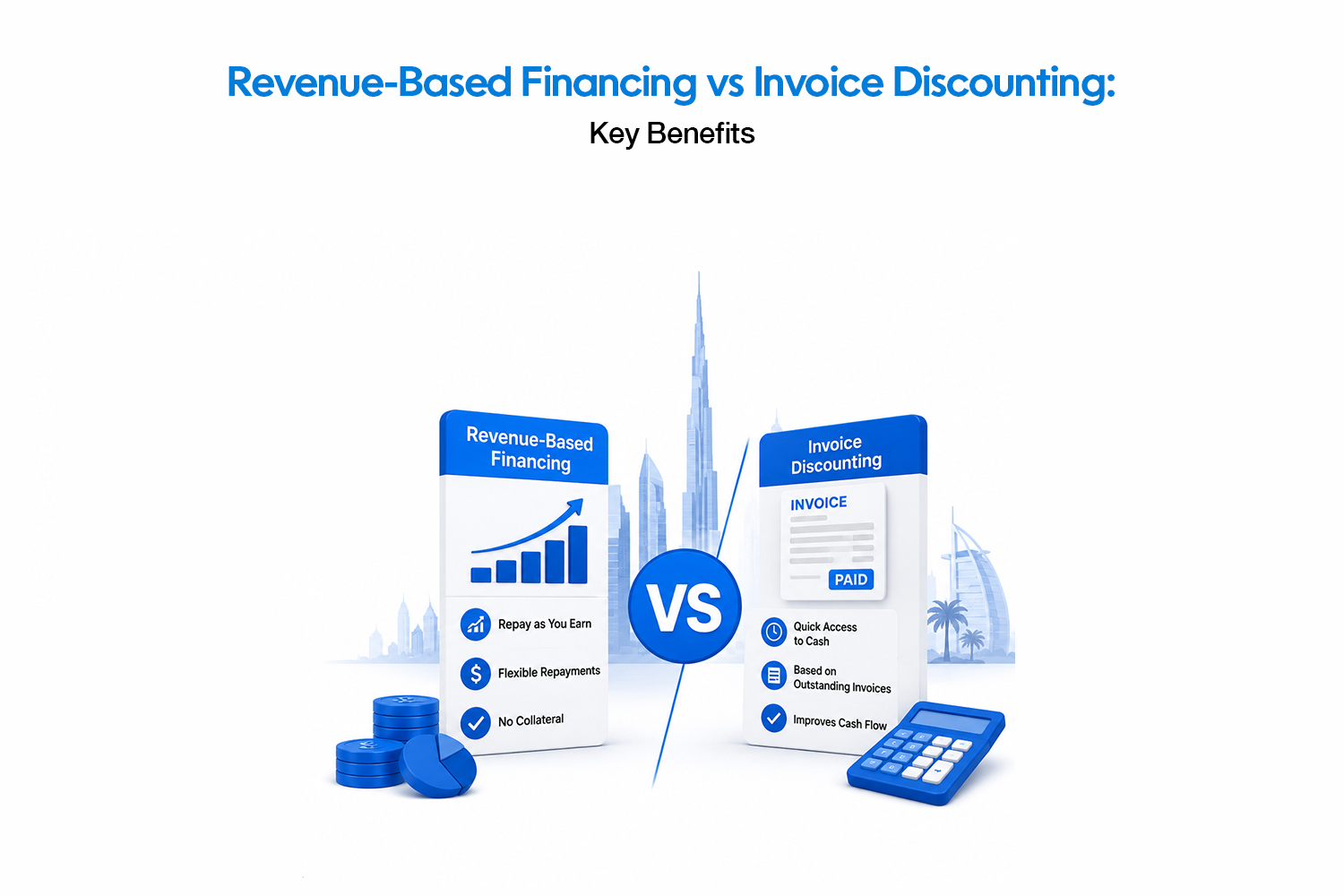
    • Invoice discounting 
    • Revenue-based financing 
    • Purchase order financing 
    • Working capital facilities 

    Choosing financing that matches your business model helps improve cash flow without taking on unnecessary long-term debt. 

    7. Monitor Key Financial Metrics 

    Successful businesses don’t just monitor revenue they closely track liquidity indicators. 

    Important metrics include: 

    • Current ratio 
    • Working capital ratio 
    • Accounts receivable turnover 
    • Cash conversion cycle 
    • Days Sales Outstanding (DSO) 

    Monitoring these KPIs helps identify potential cash flow issues before they affect operations. 

    How Fincobox Helps Businesses Manage Long Payment Cycles 

    Managing delayed customer payments doesn’t have to limit your business growth. 

    Fincobox provides flexible financing solutions designed specifically for UAE businesses that need faster access to working capital. Whether your business is waiting on customer invoices, preparing for large purchase orders, or managing seasonal demand, Fincobox helps unlock funds without disrupting day-to-day operations. 

    Its financing solutions are designed to improve business liquidity while allowing SMEs to maintain healthy cash flow, pay suppliers on time, and confidently pursue new growth opportunities. 

    Instead of allowing unpaid invoices to slow your business, companies can use smarter financing strategies that keep operations moving. 

    Final Thoughts 

    A 90-day payment cycle shouldn’t prevent your business from growing. 

    The most successful businesses don’t simply wait for payments to arrive they proactively manage cash flow, strengthen working capital, and use modern financing solutions to maintain financial flexibility. 

    By improving forecasting, monitoring liquidity, and leveraging financing options when needed, UAE businesses can turn long payment cycles into manageable business processes instead of financial obstacles. 

    If your business regularly experiences delayed customer payments, investing in the right cash flow solutions in the UAE can help protect liquidity today while creating stronger foundations for future growth. 

    Frequently Asked Questions (FAQs) 

    1. What is a 90-day payment cycle? 

    A 90-day payment cycle means a customer has up to 90 days after receiving an invoice to make payment. While common in B2B industries, it can create temporary cash flow challenges for suppliers. 

    2. How can businesses improve cash flow during long payment cycles? 

    Businesses can improve cash flow by forecasting finances, negotiating supplier terms, accelerating collections, maintaining working capital, and using financing solutions such as invoice discounting. 

    3. What is business liquidity? 

    Business liquidity refers to a company’s ability to meet its short-term financial obligations using available cash or assets that can quickly be converted into cash. 

    4. Is invoice financing suitable for SMEs in the UAE? 

    Yes. Invoice financing is a popular option for SMEs because it allows businesses to access funds tied up in unpaid invoices, helping them maintain healthy cash flow without waiting for customers to pay. 

    5. How does Fincobox support businesses facing delayed payments? 

    Fincobox offers flexible financing solutions that help UAE businesses improve working capital, strengthen business liquidity, and access funds faster, enabling them to continue operations and pursue growth despite extended customer payment terms.

  • How to Convert Your Unpaid Invoices Into Cash Within no time

    How to Convert Your Unpaid Invoices Into Cash Within no time

    Cash flow is the lifeblood of every successful business, especially for SMEs that operate on tight margins and long customer payment cycles. While making sales is essential, waiting 30, 60, or even 90 days to receive payment can create significant financial pressure. During this period, businesses still need to pay suppliers, salaries, rent, inventory costs, and other operational expenses. 

    This is where invoice discounting becomes a game-changing financing solution. 

    Instead of letting unpaid invoices sit in your accounts receivable, invoice discounting enables businesses to unlock the value of those invoices and receive immediate working capital. It provides quick access to cash without taking on a traditional business loan or giving up equity, helping businesses maintain liquidity and continue growing confidently. 

    In this guide, we’ll explore how invoice discounting for small businesses works, its benefits, how it compares with traditional financing, and why modern invoice financing solutions like Fincobox are becoming the preferred choice for SMEs across the UAE. 

    Why Cash Flow Management Matters for SMEs 

    Strong sales don’t always translate into healthy cash flow. 

    According to the U.S. Bank Cash Flow Survey, nearly 82% of business failures are linked to poor cash flow management, highlighting that even profitable companies can struggle when money remains tied up in unpaid invoices. 

    This challenge is particularly relevant in the UAE, where SMEs represent more than 94% of all businesses and contribute over 60% of the country’s GDP, according to the UAE Ministry of Economy. As these businesses continue to grow, maintaining consistent working capital becomes essential for managing operations and capitalising on new opportunities. 

    Invoice discounting addresses this challenge by converting outstanding invoices into immediate cash, allowing businesses to strengthen liquidity without waiting for customer payment cycles. 

    Why Are Unpaid Invoices a Problem for Businesses? 

    Every invoice you issue represents revenue you’ve already earned but until your customer pays, that money remains locked in your accounts receivable. 

    For businesses operating with payment terms of 30, 60, or 90 days, delayed payments can slow growth and create unnecessary financial pressure. 

    Some of the most common challenges include: 

    • Difficulty paying suppliers on time  
    • Delayed employee salaries  
    • Limited ability to purchase inventory  
    • Missed business opportunities  
    • Increased dependence on costly short-term borrowing  
    • Reduced operational flexibility  
    • Delayed expansion plans  
    • Lower financial confidence during seasonal fluctuations  

    Rather than allowing unpaid invoices to restrict growth, businesses can leverage them as a valuable financing asset. 

    What Is Invoice Discounting? 

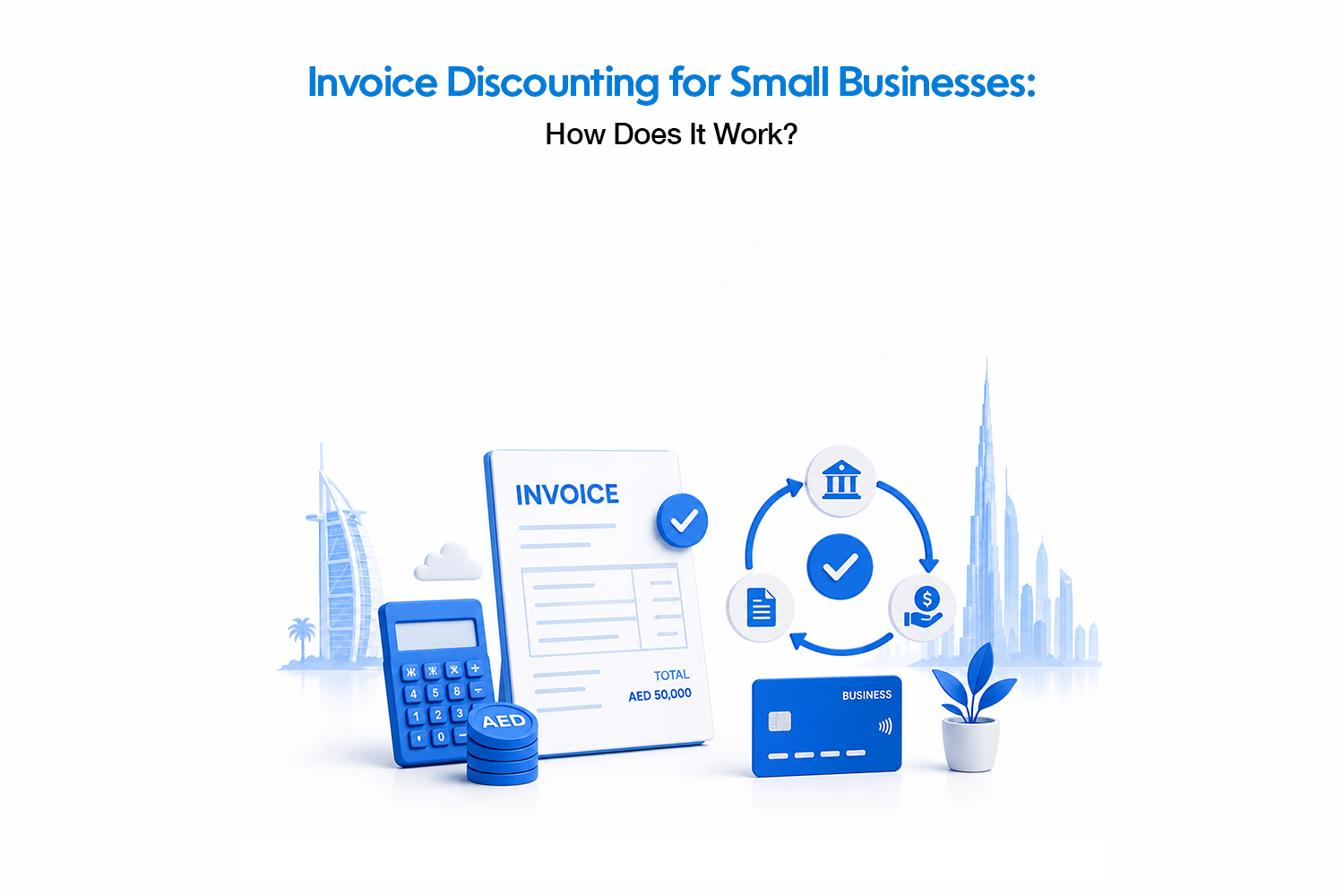
    Invoice discounting is a business financing solution that allows companies to receive an advance against outstanding customer invoices before those invoices are paid. 

    Instead of waiting weeks or months for customers to settle their invoices, businesses can unlock a significant percentage of the invoice value almost immediately. 

    Once the customer pays the invoice according to the agreed payment terms, the remaining balance after deducting the agreed financing charges is transferred to the business. 

    Unlike traditional loans, invoice discounting uses your outstanding receivables as the basis for funding, making it one of the most flexible ways to improve working capital while maintaining business continuity. Despite how straightforward the process is, several misconceptions still hold businesses back it’s worth reading through these common myths about invoice discounting in the UAE before ruling it out as an option.

    How Does Invoice Discounting Work? 

    The process is simple, transparent, and designed to provide businesses with fast access to liquidity. 

    Step 1: Deliver Your Product or Service 

    Your business completes the work or delivers goods to your customer. 

    Step 2: Raise an Invoice 

    An invoice is issued with agreed payment terms, such as 30, 60, or 90 days. 

    Step 3: Submit the Invoice 

    The outstanding invoice is submitted to your invoice financing provider for verification. 

    Step 4: Receive an Advance 

    Once approved, the provider advances a substantial percentage of the invoice value, providing immediate access to working capital. 

    Step 5: Customer Pays the Invoice 

    Your customer settles the invoice according to the agreed payment terms. 

    Step 6: Final Settlement 

    After receiving payment from your customer, the financing provider transfers the remaining invoice balance after deducting the agreed financing fee. 

    The result is improved cash flow without waiting for lengthy payment cycles. 

    Real-World Example of Invoice Discounting 

    Imagine a wholesale electronics supplier in Dubai that delivers products worth AED 300,000 to a retail chain with 60-day payment terms

    Although the sale has been completed, the business still needs immediate cash to: 

    • Purchase stock for upcoming orders  
    • Pay suppliers  
    • Cover employee salaries  
    • Fund marketing campaigns  
    • Accept new customer orders  

    Instead of waiting two months for payment, the company submits the invoice to Fincobox

    After verification, Fincobox advances up to 90% of the invoice value, giving the business immediate access to working capital. 

    The business continues operating without interruption, fulfils additional customer orders, and strengthens supplier relationships through timely payments. 

    When the retailer pays the invoice after 60 days, the remaining balance is released after deducting the agreed financing charges. 

    Rather than letting cash remain locked in unpaid invoices, the business converts receivables into growth capital. 

    Why Invoice Discounting Is Ideal for Small Businesses 

    Growing businesses often experience cash flow shortages not because sales are low, but because customer payments are delayed. 

    This is one of the main reasons invoice discounting for small businesses has become one of the fastest-growing financing solutions worldwide. 

    It enables SMEs to: 

    • Access working capital quickly  
    • Improve day-to-day cash flow  
    • Continue operations without disruption  
    • Accept larger customer orders  
    • Invest in expansion opportunities  
    • Pay suppliers on time  
    • Reduce dependence on traditional borrowing  
    • Maintain healthy business liquidity  

    Instead of borrowing against future income, businesses unlock money they’ve already earned. 

    Key Benefits of Invoice Financing Solutions 

    Modern invoice financing solutions offer several advantages over traditional lending. 

    1. Faster Access to Working Capital 

    There’s no need to wait for lengthy customer payment cycles. Eligible invoices can be converted into cash quickly. 

    2. Improved Cash Flow 

    Steady cash flow helps businesses confidently manage payroll, supplier payments, inventory purchases, rent, and operational expenses. 

    3. Supports Business Growth 

    Immediate access to funds enables businesses to seize growth opportunities, invest in expansion, and accept larger customer orders without worrying about liquidity. 

    4. No Equity Dilution 

    Unlike raising investment capital, invoice discounting allows businesses to access funding while retaining complete ownership and decision-making control. 

    5. Funding Based on Business Performance 

    Instead of relying solely on collateral or extensive borrowing history, funding is linked to outstanding invoices generated through normal business operations. 

    6. Flexible Financing 

    As your sales grow and invoice volumes increase, your available funding can also increase, making invoice discounting a scalable financing solution. 

    Invoice Discounting vs Traditional Business Loans 

    Both invoice discounting and business loans provide access to funding, but they serve different business needs. 

    For businesses that regularly invoice customers on credit terms, invoice discounting offers greater flexibility than traditional borrowing. Instead of taking on additional debt, businesses unlock cash from revenue they have already earned, helping them maintain healthy working capital while continuing to grow. 

    Which Businesses Benefit Most from Invoice Discounting? 

    Invoice discounting is an ideal financing solution for businesses that operate on credit terms and regularly issue invoices to customers. Instead of waiting for payments to arrive, these businesses can unlock working capital tied up in outstanding invoices and maintain smooth day-to-day operations. 

    Industries that commonly benefit from invoice financing solutions include: 

    • Manufacturing  
    • Wholesale and Distribution  
    • Logistics and Transportation  
    • Construction  
    • Healthcare  
    • Professional Services  
    • Staffing and Recruitment  
    • Information Technology (IT)  
    • Export and Import Businesses  
    • Engineering and Industrial Services  

    If your business serves other businesses (B2B) and offers payment terms of 30, 60, or 90 days, invoice discounting can significantly improve cash flow while reducing reliance on traditional borrowing. 

    How to Choose the Right Invoice Financing Partner 

    Not all financing providers offer the same level of flexibility, speed, or customer support. Choosing the right partner can have a significant impact on your business’s financial health. 

    When evaluating invoice financing solutions, consider the following factors: 

    1. Speed of Funding 

    Look for a provider that can verify invoices and release funds quickly, helping you meet immediate working capital requirements. 

    2. Transparent Pricing 

    Choose a financing partner that clearly explains all fees and charges upfront, without hidden costs. 

    3. Digital Application Process 

    A modern, paperless application process reduces administrative effort and speeds up approvals. 

    4. Flexible Financing Limits 

    As your business grows, your funding requirements may increase. Select a provider that can scale financing alongside your business. 

    5. Industry Expertise 

    A financing partner that understands your industry can provide more tailored funding solutions and faster decision-making. 

    6. Dedicated Customer Support 

    Responsive relationship managers can help resolve queries quickly and ensure a smooth financing experience. 

    7. Additional Financing Solutions 

    Your funding needs may evolve over time. Working with a provider that offers multiple financing products can help support your business through every stage of growth. 

    Why Businesses Choose Fincobox 

    At Fincobox, we understand that healthy cash flow is essential for business growth. Waiting weeks or months for customer payments shouldn’t prevent your business from taking advantage of new opportunities. 

    That’s why we’ve built a modern financing platform that helps SMEs unlock working capital quickly through fast, flexible, and transparent funding solutions. 

    Here’s what sets Fincobox apart: 

    Fast Digital Approvals 

    Our streamlined digital process reduces paperwork and accelerates funding, helping businesses access working capital when they need it most. 

    Flexible Funding That Grows with Your Business 

    Unlike fixed lending facilities, our financing solutions are designed to scale alongside your business as your sales and invoice volumes increase. 

    Transparent Pricing 

    No hidden fees. No unnecessary complexity. Just clear, straightforward financing designed around your business needs. 

    Multiple Financing Solutions Under One Platform 

    Fincobox goes beyond invoice discounting by offering a comprehensive suite of working capital solutions, including: 

    • Invoice Discounting  
    • Revenue-Based Liquidity  
    • Purchase Order Liquidity  
    • Short-Term Forfaiting Arrangements  

    This enables businesses to choose the funding option that best aligns with their cash flow requirements and growth objectives. 

    Dedicated Relationship Support 

    Our financing specialists work closely with every client to understand their business challenges and recommend the most suitable funding solution. 

    Built for Modern SMEs 

    Whether you’re experiencing seasonal cash flow gaps, expanding into new markets, fulfilling large customer orders, or investing in growth, Fincobox provides flexible financing solutions designed to keep your business moving forward. 

    Instead of letting unpaid invoices delay your next opportunity, Fincobox helps you convert receivables into immediate working capital—quickly, transparently, and efficiently. 

    Final Thoughts 

    Delayed customer payments are one of the biggest obstacles to healthy business cash flow, but they don’t have to limit your growth. 

    Invoice discounting allows businesses to unlock the value of unpaid invoices and access working capital without waiting for lengthy payment terms to end. By converting outstanding receivables into immediate cash, SMEs can confidently pay suppliers, manage payroll, purchase inventory, fulfil larger orders, and invest in expansion opportunities. 

    For businesses that regularly invoice customers, invoice discounting for small businesses offers a smarter, more flexible alternative to traditional borrowing. Rather than taking on additional debt, you can access funds you’ve already earned and put them to work immediately. 

    If you’re looking for a trusted partner to improve liquidity and support long-term business growth, Fincobox provides modern invoice financing solutions tailored to the evolving needs of SMEs across the UAE. 

    Frequently Asked Questions (FAQs) 

    1. What is invoice discounting? 

    Invoice discounting is a financing solution that allows businesses to receive an advance against unpaid customer invoices instead of waiting for customers to pay according to agreed credit terms. 

    2. How does invoice discounting help small businesses? 

    Invoice discounting for small businesses improves cash flow by unlocking money tied up in outstanding invoices. This allows businesses to pay suppliers, manage operational expenses, invest in growth, and maintain healthy working capital. 

    3. Is invoice discounting different from a traditional business loan? 

    Yes. Traditional business loans provide a fixed amount of borrowed capital that must be repaid through scheduled instalments. Invoice discounting, on the other hand, provides funding against unpaid invoices, enabling businesses to access cash they’ve already earned while improving liquidity. 

    4. Who is eligible for invoice discounting? 

    Most B2B businesses that issue invoices with agreed credit terms and have outstanding receivables from creditworthy customers are eligible. Eligibility may vary depending on the financing provider’s assessment criteria. 

    5. Will my customers know I’m using invoice discounting? 

    Many invoice discounting arrangements can be structured confidentially, allowing businesses to maintain their existing customer relationships. The level of confidentiality depends on the financing agreement and provider. 

    6. Why choose Fincobox for invoice financing? 

    Fincobox combines fast digital onboarding, transparent pricing, flexible financing, and dedicated relationship support to help businesses unlock cash from outstanding invoices. In addition to invoice discounting, Fincobox offers Revenue-Based Liquidity, Purchase Order Liquidity, and Short-Term Forfaiting Arrangements, providing SMEs with a comprehensive suite of working capital solutions to support sustainable growth. 

  • Top 10 Financing Options for SMEs in UAE

    Top 10 Financing Options for SMEs in UAE

    Running an SME in the UAE comes with exciting opportunities but also unique financial challenges. Whether you’re managing seasonal cash flow, fulfilling large customer orders, expanding into new markets, or simply covering day-to-day operational expenses, having access to the right financing can make all the difference. 

    According to the UAE Ministry of Economy, SMEs account for over 94% of all companies operating in the country and contribute significantly to the nation’s GDP. Despite their importance, many businesses still struggle to access timely funding through traditional banking channels due to lengthy approval processes, strict eligibility requirements, or collateral demands. 

    Fortunately, today’s businesses have access to a wide range of financing solutions beyond conventional bank loans. From invoice discounting UAE to revenue based financing UAE, modern funding options provide faster access to working capital while preserving ownership and supporting sustainable growth. If you’re a startup weighing your options, it’s worth understanding revenue-based financing vs equity funding before deciding which route fits your growth stage best.

    In this guide, we’ll explore the top 10 financing options for SMEs in the UAE, helping you understand which solution best fits your business goals. 

    Why SMEs Need Business Financing in the UAE 

    The UAE’s SME sector contributes over 60% of the country’s non-oil GDP, yet access to timely capital remains one of the biggest hurdles small and medium businesses face when trying to grow. From VAT payments and supplier deadlines to seasonal demand spikes during Ramadan or the tourist season, UAE businesses often need funds faster than traditional bank loans can deliver which is exactly why business financing has become a critical growth tool rather than a last resort. 

    Whether you’re a trading company in Dubai waiting on customer payments, a retail business stocking up before peak season, or a startup in Abu Dhabi looking to hire ahead of a big contract, the right financing solution can mean the difference between missing an opportunity and scaling past it. 

    Business financing helps SMEs: 

    • Improve working capital 
    • Bridge cash flow gaps 
    • Expand operations 
    • Purchase inventory 
    • Invest in technology 
    • Manage seasonal demand 
    • Accept larger customer orders 
    • Scale without financial strain 

    Choosing the right financing solution depends on your business model, repayment capacity, and funding timeline  and in the UAE, that also means understanding which options (bank loans, invoice financing, trade finance, or SME loans from fintech lenders) fit your specific licensing structure (mainland, free zone, or offshore) 

    Top 10 Financing Options for SMEs in UAE 

    1. SME Loans UAE 

    Traditional SME loans UAE remain one of the most common funding options for established businesses. Banks offer term loans that can be used for expansion, equipment purchases, or operational costs. 

    Best for: 

    • Established businesses 
    • Long-term investments 
    • Asset purchases 

    Pros 

    • Competitive interest rates 
    • Large funding amounts 
    • Structured repayment plans 

    Cons 

    • Lengthy approval process 
    • Extensive documentation 
    • Collateral requirements 
    • Strict eligibility criteria 

    While bank loans work well for mature businesses, startups and growing SMEs often require faster access to capital. 

    2. Invoice Discounting UAE 

    One of the fastest-growing financing options is invoice discounting UAE, allowing businesses to unlock cash tied up in unpaid customer invoices. 

    Instead of waiting 30, 60, or even 90 days for payments, businesses receive immediate access to a large percentage of the invoice value, improving liquidity without taking on traditional debt. 

    Best for: 

    • B2B companies 
    • Businesses with outstanding invoices 
    • Companies experiencing cash flow delays 

    Benefits 

    • Faster cash flow 
    • Improved working capital 
    • Continue business operations without interruptions 
    • No need to wait for customer payments 

    For businesses with strong receivables, invoice discounting can provide predictable and flexible funding whenever needed. 

    3. Revenue Based Financing UAE 

    Another increasingly popular alternative is Revenue based financing UAE, where businesses receive funding in exchange for a small percentage of future monthly revenue until the agreed amount is repaid. 

    Unlike equity financing, founders retain full ownership of their business. 

    Ideal for 

    • SaaS businesses 
    • E-commerce companies 
    • Subscription-based businesses 
    • High-growth SMEs 

    Advantages 

    • No equity dilution 
    • Flexible repayments 
    • Fast approvals 
    • Funding aligned with business performance 

    Revenue-based financing is particularly suitable for businesses with consistent monthly revenues that need capital to accelerate growth. 

    4. Business Line of Credit 

    A business line of credit gives SMEs access to a pre-approved credit limit that can be used whenever required. 

    Businesses only pay interest on the amount utilised, making it an excellent option for managing short-term working capital requirements. 

    Best for 

    • Seasonal businesses 
    • Unexpected expenses 
    • Operational flexibility 

    5. Purchase Order Financing 

    Purchase order financing helps businesses fulfil large customer orders when they lack sufficient capital to purchase inventory. 

    The financing provider pays suppliers directly, allowing the business to complete customer orders and repay once payment is received. 

    Suitable for 

    • Importers 
    • Exporters 
    • Wholesale businesses 
    • Manufacturers 

    6. Trade Finance 

    Trade finance supports businesses engaged in domestic and international trade by reducing payment risks and improving transaction security. 

    It commonly includes: 

    • Letters of Credit 
    • Bank Guarantees 
    • Import Financing 
    • Export Financing 

    This option is ideal for businesses trading across borders. 

    7. Equipment Financing 

    Instead of making significant upfront investments, businesses can finance machinery, vehicles, manufacturing equipment, or technology through equipment financing. 

    The equipment itself often serves as collateral, making approvals easier than unsecured loans. 

    8. Merchant Cash Advance 

    Businesses with regular card sales can receive upfront capital against future credit or debit card transactions. 

    Repayments are automatically deducted from daily sales, making this option suitable for retail and hospitality businesses. 

    9. Government SME Financing Programmes 

    The UAE government actively supports entrepreneurship through various SME initiatives and financing programmes. 

    These programmes often provide: 

    • Lower financing costs 
    • Business development support 
    • Entrepreneurship assistance 
    • Innovation funding 

    Businesses should regularly explore available government-backed initiatives to access favourable funding opportunities. 

    10. Alternative Fintech Financing 

    Fintech companies are transforming how SMEs access funding by offering digital-first financing solutions with faster approvals, minimal paperwork, and flexible repayment structures. 

    Many businesses today prefer fintech lenders because they can receive funding within days instead of waiting weeks or months. 

    Alternative financing solutions include: 

    • Invoice financing 
    • Revenue-based financing 
    • Working capital financing 
    • Purchase order financing 
    • Short-term liquidity solutions 

    How to Choose the Right Financing Option 

    Every business has different funding needs. Before choosing a financing solution, consider: 

    Your funding purpose 

    Are you covering operational costs, purchasing inventory, hiring employees, or expanding into new markets? 

    Cash flow stability 

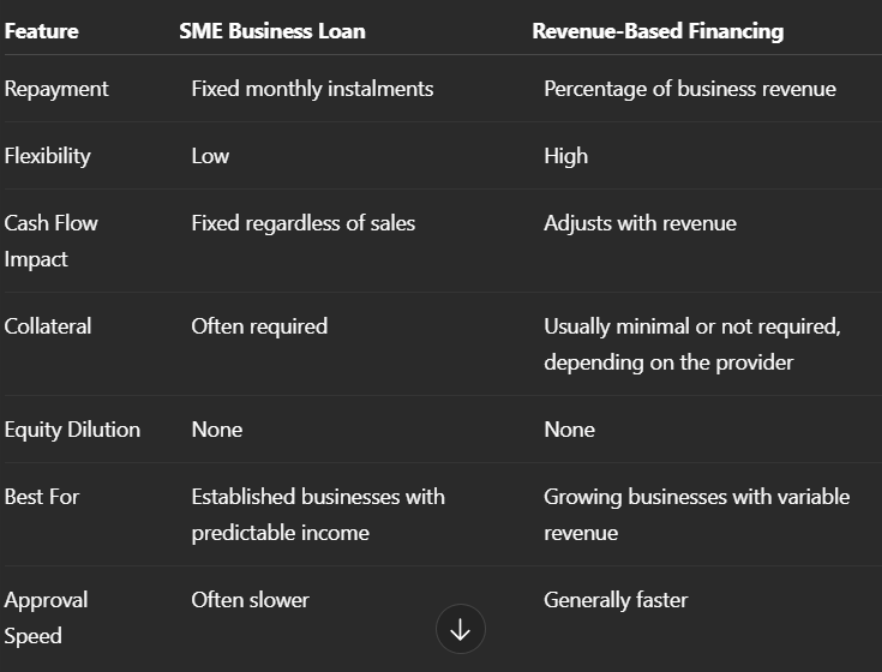
    Some financing options require fixed repayments, while others adjust according to your business revenue. 

    Approval timeline 

    If funding is urgent, fintech solutions often provide much faster approvals than traditional banks. 

    Ownership considerations 

    If retaining full ownership matters, consider non-dilutive financing options instead of equity investment. 

    Business stage 

    Startups, growing SMEs, and mature businesses each benefit from different financing products. 

    Why SMEs Choose Fincobox 

    At Fincobox, we understand that every business has unique financing needs. Our mission is to help UAE businesses unlock growth through fast, flexible, and transparent funding solutions. 

    Whether you’re looking for Invoice Discounting UAERevenue Based Financing UAE, or other innovative liquidity solutions, Fincobox provides financing designed around your business not rigid banking processes. 

    Our financing solutions include: 

    • Invoice Discounting 
    • Revenue-Based Liquidity 
    • Purchase Order Liquidity 
    • Short-Term Forfaiting Arrangements 

    With a streamlined digital application process, faster approvals, and flexible repayment structures, Fincobox helps SMEs improve cash flow, seize growth opportunities, and scale with confidence. 

    If your business needs working capital without unnecessary delays or giving up equity, Fincobox offers a smarter alternative to traditional financing. 

    Final Thoughts 

    The UAE continues to be one of the world’s most dynamic business destinations, offering tremendous opportunities for SMEs. However, sustainable growth depends on maintaining healthy cash flow and having access to the right financing at the right time. 

    From traditional SME loans UAE to modern solutions like invoice discounting UAE and revenue based financing UAE, businesses now have more funding options than ever before. 

    By understanding each financing solution and selecting the one that aligns with your business objectives, you can improve liquidity, manage operational expenses, and confidently pursue growth opportunities. 

    Whether you’re an established enterprise or a growing startup, choosing a trusted financing partner like Fincobox can help your business stay agile in today’s competitive market. 

    Frequently Asked Questions (FAQs) 

    1. What is the best financing option for SMEs in the UAE? 

    The best financing option depends on your business needs. Traditional SME loans UAE are suitable for long-term investments, while invoice discounting UAE and revenue based financing UAE are ideal for businesses seeking quicker access to working capital without lengthy bank approvals. 

    2. What is invoice discounting? 

    Invoice discounting is a financing solution that allows businesses to receive immediate funds against unpaid customer invoices instead of waiting for payment terms to end. It helps improve cash flow while maintaining normal customer relationships. 

    3. How does revenue-based financing work? 

    Revenue-based financing provides upfront capital in exchange for a percentage of your future monthly revenue. Repayments fluctuate based on business performance, making it a flexible alternative to traditional loans. 

    4. Is revenue-based financing better than a bank loan? 

    For businesses with predictable revenue streams that want to avoid collateral requirements or equity dilution, revenue-based financing can be a more flexible option than traditional bank loans. 

    5. Who can benefit from invoice discounting? 

    Invoice discounting is particularly beneficial for B2B businesses, manufacturers, wholesalers, distributors, logistics companies, and service providers that issue invoices with extended payment terms. 

    6. Can startups apply for SME financing in the UAE? 

    Yes. Many fintech lenders and alternative financing providers offer funding solutions tailored to startups and early-stage businesses, although eligibility criteria vary depending on the financing product. 

    7. Does Fincobox provide financing for growing SMEs? 

    Yes. Fincobox offers flexible funding solutions for SMEs in the UAE, including Invoice DiscountingRevenue-Based LiquidityPurchase Order Liquidity, and Short-Term Forfaiting Arrangements, helping businesses access working capital quickly and efficiently.

  • The Rise of Non-Dilutive Funding in the UAE in 2026

    The Rise of Non-Dilutive Funding in the UAE in 2026

    The UAE has established itself as one of the world’s most dynamic business hubs. With ambitious government initiatives, a thriving startup ecosystem, and increasing digital adoption, entrepreneurs are scaling businesses faster than ever. However, one challenge continues to affect businesses across industries access to growth capital without sacrificing ownership

    This is where Non-Dilutive Funding UAE is emerging as one of the biggest financial trends in 2026. 

    Instead of giving away equity to investors or taking on rigid bank loans with fixed repayments, businesses are choosing funding solutions that preserve ownership while providing the working capital needed to grow. 

    Whether you’re running an eCommerce brand, SaaS company, manufacturing business, logistics firm, or retail business, non-dilutive funding offers a smarter, more flexible path to expansion. 

    What is Non-Dilutive Funding? 

    Non-dilutive funding refers to business financing that allows founders to raise capital without giving away equity or ownership in their company. 

    Unlike venture capital or angel investments, where investors receive a stake in your business, non-dilutive financing ensures founders maintain complete control over business decisions. 

    Popular non-dilutive funding options in the UAE include: 

    • Revenue-Based Financing 
    • Invoice Discounting 
    • Purchase Order Financing 
    • Short-Term Working Capital Solutions 
    • Trade Finance 

    These funding models are especially attractive for SMEs and high-growth startups looking to scale sustainably. 

    Why Non-Dilutive Funding is Growing Rapidly in the UAE in 2026 

    Several market trends are driving the increasing adoption of non-dilutive financing. 

    1. Founders Want to Retain Ownership 

    Many entrepreneurs prefer building long-term businesses without giving away equity in early growth stages. 

    Non-dilutive funding enables businesses to secure capital while retaining 100% ownership, making it ideal for founder-led companies.  

    2. Faster Access to Capital 

    Traditional banks often require: 

    • Extensive paperwork 
    • Collateral 
    • Long approval timelines 
    • Strong credit history 

    Modern funding platforms now approve eligible businesses in as little as 24–48 hours, allowing companies to seize growth opportunities much faster.  

    3. Flexible Repayment Structures 

    Unlike fixed monthly EMIs, some non-dilutive funding solutions adjust repayments based on business performance. 

    When revenue increases, repayments rise. During slower months, repayments decrease helping businesses maintain healthier cash flow. 

    4. Growing SME Ecosystem 

    The UAE continues to encourage entrepreneurship through business-friendly regulations, free zones, and digital transformation initiatives. 

    As more SMEs enter competitive markets, access to flexible working capital has become essential for: 

    • Inventory purchases 
    • Marketing campaigns 
    • Hiring 
    • Business expansion 
    • Technology upgrades 

    How Fincobox Supports Non-Dilutive Funding in the UAE 

    One platform helping transform SME financing is Fincobox 

    Fincobox offers digital-first, non-dilutive liquidity solutions designed specifically for UAE businesses, helping founders access capital quickly while maintaining full ownership. (Fincobox) 

    Some of its key solutions include: 

    Revenue-Based Liquidity 

    Businesses receive funding based on their recurring revenue and repay through a percentage of future sales instead of fixed EMIs. 

    Ideal for: 

    • Marketing expansion 
    • Product launches 
    • Inventory purchases 
    • Business scaling 

    Invoice Discounting 

    Convert outstanding invoices into immediate working capital. 

    This solution helps businesses: 

    • Improve liquidity 
    • Reduce cash flow gaps 
    • Manage operational expenses 
    • Scale without taking traditional loans 

    Short-Term Working Capital 

    Flexible financing for day-to-day operational requirements, enabling businesses to handle seasonal demand and growth opportunities efficiently.  

    Benefits of Choosing Non-Dilutive Funding 

    Businesses across the UAE are increasingly adopting non-dilutive financing because it offers: 

    • Full ownership retention 
    • Faster funding approvals 
    • No collateral in many cases 
    • Better cash flow management 
    • Flexible repayment structures 
    • Business growth without investor pressure 
    • Reduced financial risk 

    For founders focused on long-term value creation, these advantages make non-dilutive funding a practical alternative to traditional financing. 

    Is Non-Dilutive Funding Right for Your Business? 

    Non-dilutive funding works best if your business: 

    • Generates consistent monthly revenue 
    • Needs working capital to scale 
    • Wants to avoid equity dilution 
    • Has outstanding invoices 
    • Requires flexible financing instead of fixed loan repayments 

    Businesses in eCommerce, SaaS, wholesale, logistics, retail, manufacturing, hospitality, healthcare, and professional services can all benefit from these financing models. 

    Final Thoughts 

    The future of SME financing in the UAE is becoming increasingly founder-friendly. 

    As businesses seek faster, more flexible, and ownership-preserving funding options, Non-Dilutive Funding UAE is set to become the preferred financing model throughout 2026 and beyond. 

    Whether you’re expanding into new markets, increasing inventory, launching products, or improving cash flow, non-dilutive funding helps you grow while keeping complete control of your business. 

    Platforms like Fincobox are leading this transformation by offering modern solutions such as Revenue-Based LiquidityInvoice Discounting, and Short-Term Working Capital, enabling UAE businesses to access capital quickly without sacrificing equity.  

    Frequently Asked Questions (FAQs) 

    1. What is non-dilutive funding? 

    Non-dilutive funding is financing that allows businesses to raise capital without giving away equity or ownership in the company. 

    2. Why is non-dilutive funding becoming popular in the UAE? 

    Businesses prefer it because it offers faster approvals, flexible repayments, improved cash flow, and allows founders to retain full ownership. 

    3. Is Revenue-Based Financing non-dilutive? 

    Yes. Revenue-Based Financing provides growth capital without equity dilution. Repayments are linked to future business revenue rather than fixed EMIs.  

    4. What is Invoice Discounting? 

    Invoice Discounting allows businesses to receive immediate cash against unpaid invoices instead of waiting for customer payment cycles.  

    5. Which businesses can benefit from non-dilutive funding? 

    eCommerce businesses, SaaS companies, manufacturers, retailers, wholesalers, logistics firms, healthcare providers, restaurants, and other SMEs with steady revenue can benefit. 

    6. Does Fincobox offer non-dilutive funding in the UAE? 

    Yes. Fincobox provides Revenue-Based Liquidity, Invoice Discounting, Purchase Order Liquidity, and Short-Term Working Capital solutions that help businesses access funding while retaining ownership.  

    7. How quickly can businesses receive funding from Fincobox? 

    Eligible businesses may receive approval within 24–48 hours, depending on the funding product and evaluation process. 

  • Common Myths About Invoice Discounting in the UAE 

    Common Myths About Invoice Discounting in the UAE 

    Cash flow is the backbone of every successful business. Yet, many businesses across the UAE struggle with delayed customer payments, long credit cycles, and working capital shortages. While Invoice Discounting in the UAE has emerged as one of the most effective ways to unlock cash tied up in unpaid invoices, several misconceptions prevent businesses from taking advantage of this financing solution.

    Many business owners assume invoice discounting is only for struggling companies, expensive to use, or difficult to qualify for. In reality, these myths often stem from outdated information or confusion with traditional business loans.

    In this guide, we’ll debunk the most common myths surrounding Invoice Discounting in the UAE, explain how it works, and show why it has become one of the preferred invoice financing solutions for growing businesses.

    What Is Invoice Discounting?

    Invoice discounting is a working capital solution that allows businesses to access funds against unpaid invoices instead of waiting 30, 60, or even 90 days for customers to pay.

    Rather than taking on additional debt, businesses unlock the value of their accounts receivable, improving liquidity and maintaining smooth day-to-day operations.

    Today, many UAE SMEs, wholesalers, manufacturers, logistics providers, and service companies use invoice discounting to bridge cash flow gaps while continuing to grow.

    Myth 1: Invoice Discounting Is Only for Businesses in Financial Trouble

    Reality: Healthy businesses use invoice discounting too.

    One of the biggest misconceptions about Invoice Discounting in the UAE is that it’s only suitable for companies facing financial distress.

    In reality, many profitable businesses use invoice financing as a strategic cash flow management tool. Instead of waiting months for invoice payments, they gain immediate access to working capital that can be used for:

    • Purchasing inventory
    • Paying suppliers
    • Covering payroll
    • Launching marketing campaigns
    • Taking on larger customer orders

    Businesses use invoice discounting not because they are struggling, but because they want to grow faster without disrupting operations.

    Myth 2: Invoice Discounting Is the Same as a Business Loan

    Reality: They are completely different financial products.

    Traditional business loans require businesses to borrow money and repay it with interest over a fixed tenure.

    Invoice discounting works differently. It’s also distinct from a short term forfaiting arrangement, which functions more like a flexible credit line for day-to-day operations.

    Instead of borrowing against future earnings, businesses receive funding against invoices they’ve already issued to customers. As the customer pays the invoice, the financing provider settles the transaction.

    This makes invoice discounting one of the most flexible invoice financing solutions available to UAE businesses.

    Myth 3: My Customers Will Know I’m Using Invoice Discounting

    Reality: Confidential invoice discounting is widely available.

    Many business owners worry that financing their invoices could negatively impact customer relationships.

    However, many best invoice financing companies offer confidential invoice discounting, where customers continue making payments through the usual business process without any disruption.

    This allows businesses to maintain professional relationships while improving cash flow behind the scenes.

    Myth 4: Invoice Discounting Is Expensive

    Reality: The cost is often lower than the cost of delayed growth.

    When cash is tied up in receivables, growing businesses often struggle to:

    • Accept large customer orders due to limited working capital
    • Replenish inventory on time, leading to stock shortages
    • Pay suppliers early to unlock better pricing and stronger relationships
    • Cover payroll and day-to-day operational expenses with confidence
    • Invest in sales, hiring, or expansion opportunities when they matter most

    The financing cost is often far lower than the revenue, growth, and opportunities lost while waiting 30, 60, or even 90 days for customer payments — a challenge we break down further in our post on the benefits of fast SME funding.

    Invoice Discounting helps businesses unlock cash from outstanding invoices, ensuring healthy cash flow without disrupting operations or slowing growth.

    Myth 5: Only Large Corporations Can Qualify

    Reality: SMEs are among the biggest users of invoice discounting.

    Many SMEs operate on 30, 60, or 90-day payment terms, creating cash flow gaps even when business is thriving. Invoice Discounting helps bridge that gap by unlocking cash tied up in unpaid invoices.

    It is especially valuable for businesses such as:

    • SaaS and technology companies with recurring B2B contracts
    • Marketing, creative, and digital agencies
    • IT consulting and professional service firms
    • Marketplace sellers supplying retailers and e-commerce platforms
    • Wholesale distributors and import-export businesses
    • Manufacturers and industrial suppliers
    • Logistics and supply chain companies
    • B2B service providers with delayed customer payments

    Today, many financing providers offer flexible Invoice Discounting solutions tailored to the needs of SMEs, helping them maintain healthy cash flow, take on new opportunities, and grow with confidence.

    Myth 6: The Approval Process Takes Weeks

    Reality: Digital financing has transformed the process.

    Traditional bank financing often involves lengthy paperwork, collateral requirements, and extended approval timelines.

    Today’s fintech-driven invoice financing providers have simplified the process significantly.

    Companies like Fincobox offer fast digital applications, quicker document verification, and faster approvals, enabling businesses to access working capital when they need it most.

    For businesses managing time-sensitive supplier payments or urgent purchase orders, speed makes a significant difference — which is also why many turn to purchase order liquidity to fund large orders directly.

    Myth 7: Invoice Discounting Means Losing Control of Your Business

    Reality: You retain full ownership.

    Unlike equity financing, invoice discounting does not require founders to sell shares or give investors ownership in the company.

    Instead, businesses simply unlock cash already tied up in unpaid invoices.

    This makes Invoice Discounting in the UAE a non-dilutive financing option — much like revenue-based liquidity — that supports growth while allowing founders to retain complete control of their business.

    Why More UAE Businesses Are Choosing Invoice Discounting

    As payment cycles continue to lengthen across industries, businesses are using Invoice Discounting to unlock growth not just improve cash flow.

    With faster access to working capital, businesses can:

    • Fulfil larger customer orders without waiting for invoice payments
    • Improve inventory turnover by restocking faster and avoiding stockouts
    • Expand into new markets, sales channels, or marketplaces with greater confidence
    • Take on high-value projects and enterprise clients with longer payment cycles
    • Negotiate better supplier pricing through timely or early payments
    • Invest in hiring, technology, or marketing to accelerate growth
    • Maintain consistent operations without relying on additional debt or giving up equity
    • Respond quickly to seasonal demand and unexpected business opportunities

    Invoice Discounting transforms outstanding invoices into accessible working capital, enabling businesses to make growth decisions based on opportunity not cash flow constraints. To see how this compares with other funding models, read our guide on revenue-based financing and how it works.

    Why Choose Fincobox for Invoice Discounting in the UAE?

    At Fincobox, we understand the cash flow challenges faced by modern businesses.

    Our digital-first platform is designed to provide fast, transparent, and flexible invoice financing solutions that help UAE businesses unlock working capital without unnecessary complexity.

    Whether you’re a growing SME, manufacturer, wholesaler, or service provider, Fincobox helps you convert unpaid invoices into immediate business capital—so you can focus on scaling your business instead of waiting for payments.

    If you’re looking for one of the best invoice financing companies in the UAE, Fincobox offers a seamless financing experience backed by speed, flexibility, and customer-centric service.

    Final Thoughts

    Misconceptions about Invoice Discounting in the UAE often prevent businesses from accessing a financing solution that could significantly improve their cash flow.

    The truth is that invoice discounting is no longer a last resort, it has become a strategic financial tool used by successful businesses across the UAE to improve liquidity, seize growth opportunities, and strengthen working capital.

    By partnering with a trusted provider like Fincobox, businesses can unlock the value of unpaid invoices while maintaining control, flexibility, and financial stability. Ready to get started? Apply now or talk to our team.

    Frequently Asked Questions (FAQs)

    1. What is Invoice Discounting in the UAE?

    Invoice discounting is a financing solution that allows businesses to receive funds against unpaid invoices before customers complete payment, helping improve cash flow and working capital.

    2. Is invoice discounting different from invoice factoring?

    Yes. With invoice discounting, businesses generally retain control over customer relationships and collections, while invoice factoring often involves the financing company managing invoice collections. See our full FAQs page for more comparisons.

    3. Who can use invoice financing solutions?

    Invoice financing is suitable for SMEs, manufacturers, wholesalers, logistics companies, trading businesses, contractors, and B2B service providers that issue invoices with payment terms.

    4. Is invoice discounting considered a business loan?

    No. Invoice discounting is not a traditional loan. Funding is provided against outstanding invoices rather than based on borrowing additional capital.

    5. Will my customers know that I’m using invoice discounting?

    Not necessarily. Many providers, including confidential invoice discounting services, allow businesses to maintain their customer relationships without disclosing the financing arrangement.

    6. How quickly can businesses receive funds?

    Approval timelines vary by provider, but modern fintech platforms like Fincobox offer streamlined digital processes designed to help eligible businesses access funding much faster than traditional financing methods.

    7. How do I choose the best invoice financing companies in the UAE?

    Look for providers that offer transparent pricing, fast approvals, flexible funding limits, digital application processes, excellent customer support, and expertise in serving UAE businesses.

    8. Why should I choose Fincobox?

    Fincobox provides fast, flexible, and transparent invoice financing solutions tailored for UAE businesses, helping companies improve cash flow, unlock working capital, and grow without giving up equity or relying solely on traditional bank financing. Learn more about us or explore all our products.

  • Revenue-Based Financing vs Equity Funding: Which One Fits Your Startup?

    Revenue-Based Financing vs Equity Funding: Which One Fits Your Startup?

    Every founder eventually hits the same wall: the business is growing, but growth needs cash. The next question is where that cash should come from and it usually comes down to two paths: revenue-based financing or equity funding. Both can fuel expansion, but they work in completely different ways, and picking the wrong one can cost a founder more than money it can cost control of the company they built. 

    This guide breaks down what revenue-based financing actually is, how it compares to equity funding, and how to decide which model fits your startup’s stage, margins, and growth plans. 

    What Is Revenue-Based Financing? 

    Revenue-based financing (RBF) is a funding model where a business receives upfront capital in exchange for a fixed percentage of future monthly revenue, repaid until an agreed total is reached. Unlike a traditional loan, there’s no fixed monthly EMI, repayments rise and fall with your sales. Unlike equity, there’s no ownership transferred. 

    For SaaS companies, D2C brands, e-commerce sellers, and other recurring-revenue businesses in the UAE, this model has become popular precisely because it aligns repayment with cash flow reality: pay more in strong months, pay less in slow ones. 

    Fincobox’s Revenue Based Liquidity solution is built exactly for this, SMEs get liquidity linked to their monthly revenue, with approvals in no time and no equity dilution. 

    What Is Equity Funding? 

    Equity funding means raising capital by selling a percentage of ownership in your company to investors angel investors, VCs, or private equity. In exchange for capital, investors get equity, often a board seat, and a claim on future profits or exit proceeds. 

    Equity funding can bring more than money: mentorship, networks, and credibility. But it also means diluting ownership permanently, sharing decision-making, and often working toward an investor-driven growth or exit timeline. 

    Revenue-Based Financing vs Equity Funding: Key Differences 

    Factor Revenue-Based Financing Equity Funding 
    Ownership No dilution — founders retain full control Investors get a stake in the company 
    Repayment Percentage of monthly revenue, until a cap is repaid No repayment; investors profit via exit or dividends 
    Speed Fast approval, often within days Weeks to months of due diligence and negotiation 
    Best for Businesses with steady, recurring revenue Businesses with high growth potential but longer payback horizons 
    Cost Fixed repayment cap, no equity cost Ownership stake, potential loss of control 
    Flexibility Repayments flex with revenue ups and downs Fixed obligations to investors and board  

    When Revenue-Based Financing Makes Sense 

    Revenue-based financing tends to fit best when: 

    • Your startup has predictable, recurring monthly revenue (SaaS, subscription, e-commerce, D2C brands). 
    • You want capital for working capital, inventory, marketing, or short-term growth not a multi-year runway. 
    • You’re not ready to give up equity or board control at your current valuation. 
    • You need funds quickly, RBF approvals move far faster than a typical equity round. 

    When Equity Funding Makes Sense 

    Equity funding is usually the better fit when: 

    • You’re pre-revenue or early-stage and need capital to build before revenue exists. 
    • Your growth plan requires large, long-horizon capital that revenue alone can’t cover in the short term. 
    • You want strategic partners, not just capital, investors who bring networks and expertise. 
    • You’re comfortable with dilution in exchange for a bigger, longer-term bet on the business. 

    The Real Decision: Growth Stage and Ownership Priorities 

    There’s no universal “better” option the right choice depends on where your startup stands. A growth-stage SME in Dubai with strong monthly revenue and a clear cash flow cycle often benefits more from non-dilutive, revenue-linked liquidity than from giving away equity for a working capital gap. An early-stage startup without revenue yet, on the other hand, may have no choice but to raise equity until revenue exists to base financing on. 

    Many founders also don’t treat this as an either/or decision, they use equity funding for foundational growth and revenue-based financing for ongoing working capital needs, keeping dilution to a minimum while still meeting operational cash flow gaps. 

    How Fincobox Helps UAE SMEs Choose the Right Path 

    Fincobox offers non-dilutive liquidity solutions built specifically for UAE SMEs  including Revenue Based LiquidityInvoice Discounting, and Purchase Order Liquidity  with approvals in no time and funding between AED 25,000 and AED 2 Million. If your business already has revenue and you want to avoid diluting ownership, revenue-based financing can bridge the gap that equity funding would otherwise fill. 

    Estimate your credit limit or talk to the Fincobox team to see which funding path fits your startup today. 

    Frequently Asked Questions 

    1. What is the main difference between revenue-based financing and equity funding? Revenue-based financing provides capital repaid as a percentage of future revenue with no ownership transfer, while equity funding provides capital in exchange for a permanent ownership stake in the company. 

    2. Is revenue-based financing better than equity for startups?  

    It depends on your stage. Revenue-based financing works well for startups with steady recurring revenue that want to avoid dilution, while equity funding suits early-stage startups without revenue that need larger, longer-term capital. 

    3. Does revenue-based financing require collateral? 

     Most revenue-based financing models, including Fincobox’s Revenue Based Liquidity, are based on your revenue performance rather than fixed collateral, making them accessible to SMEs without heavy assets. 

    4. How fast can a UAE SME get revenue-based financing?  

    With Fincobox, approvals typically take 24–48 hours, compared to weeks or months for equity fundraising rounds. 

    5. Can a startup use both revenue-based financing and equity funding?  

    Yes. Many founders raise equity for long-term growth capital and use revenue-based financing for shorter-term working capital needs, minimizing overall dilution. 

    6. What types of businesses qualify for revenue-based financing?  

    SaaS companies, e-commerce and D2C brands, restaurants, and other SMEs with consistent monthly revenue typically qualify for revenue-based financing solutions like those offered by Fincobox. 

  • Revenue-Based Financing: How It Works?

    Revenue-Based Financing: How It Works?

    When entrepreneurs set out to grow their businesses, securing the right funding is often one of the biggest challenges. Traditional loans may demand collateral, while venture capital typically requires giving away equity. For many SMEs and startups, these options are either too rigid or too costly. This is where Revenue-Based Financing (RBF) steps in as a game-changer.

    In this blog, we’ll break down what Revenue-Based Financing is, how it works, why it’s becoming a preferred choice for small and medium businesses, and how platforms like Fincobox are making it accessible across the UAE and Middle East.

    What is Revenue-Based Financing?

    Revenue-Based Financing is a non-dilutive financing model where capital is repaid as a share of future revenue. Unlike a traditional loan with fixed monthly repayments, RBF allows entrepreneurs to repay Fincobox based on actual earnings. That means if your revenue is high in a given month, you pay back more; if revenue dips, your repayment automatically adjusts.

    This structure makes RBF one of the most flexible SME financing models available today. Businesses don’t have to worry about strict repayment schedules, equity dilution, or heavy interest burdens. Instead, repayment is directly tied to the performance of the business.

    How Does Revenue-Based Financing Work?

    Revenue-Based Financing

    Here’s a step-by-step look at how RBF typically works:

    1. Funding Application – Businesses apply for Revenue-Based Financing through a platform like Fincobox, providing financial details such as monthly revenue, margins, and growth trajectory.
    2. Approval Process – Once eligibility is assessed, the business receives an approved funding amount. At Fincobox, approvals happen within 24–48 hours, making the process much faster than traditional bank loans.
    3. Funding Disbursement – The agreed-upon amount (say AED 250,000) is transferred to the business account.
    4. Repayment via Revenue Share – Instead of fixed EMIs, repayments are made as a percentage of monthly sales until the funding plus agreed return is repaid. For example, a SaaS company may commit 8% of monthly revenue until the agreed repayment amount is reached.
    5. Completion – Once the obligation is met, the repayments stop, and the business can choose to reapply for additional financing.

    Why Revenue-Based Financing is Ideal for SMEs

    Revenue-Based Financing is gaining popularity globally, especially among E-commerce brands, SaaS companies, restaurants, and fast-scaling SMEs. Here’s why it’s becoming the go-to choice:

    • No Equity Dilution – Founders keep full ownership of their company.
    • Performance-Linked Repayments – Payments match revenue cycles, reducing cash flow stress.
    • Quick Access to Capital – Approvals are significantly faster than banks, often within days.
    • No Collateral Required – Unlike loans, there’s no need to pledge assets.

    This makes RBF one of the most flexible SME financing options, giving businesses growth capital without compromising control.

    Use Cases of Revenue-Based Financing

    Different industries benefit from RBF in unique ways:

    • E-commerce & D2C Brands – Secure capital to scale ad campaigns or manage inventory.
    • SaaS Companies – Fund product development and customer acquisition without giving up equity.
    • Restaurants & Hospitality – Bridge seasonal revenue fluctuations with adaptable repayment terms.
    • Manufacturing SMEs – Use working capital to manage orders and supply chain needs.

    At Fincobox, these sectors are already leveraging RBF to bridge cash flow gaps and fuel rapid growth.

    Fincobox: Making Revenue-Based Financing Accessible in the Middle East

    While RBF has gained traction in global markets, Fincobox is among the first platforms making it widely available to SMEs in the UAE and Middle East. By combining Revenue-Based Financing with other options such as Invoice Discounting, Short-Term Working Capital Loans, and Purchase Order Financing, Fincobox empowers businesses with a complete suite of flexible SME financing solutions.

    Key benefits of choosing Fincobox include: 

    • 24–48 hour approval time
    • Funding from AED 25,000 to AED 2 Million
    • No equity dilution or collateral required
    • 100% digital application process
    • Leading RBF platform in the Middle East like  Barq Group, highlights approval time, digital underwriting, and funding range.

    Whether you’re an early-stage SaaS company or an established E-commerce business, Fincobox tailors financing solutions to match your revenue cycles and growth plans.

    Is Revenue-Based Financing Right for Your Business?

    While RBF is highly flexible, it works best for companies with predictable or recurring revenue streams. If your business generates consistent sales and is on a growth path, this model can provide quick funding without the burden of fixed repayments.

    However, it may not be suitable for businesses with highly irregular income or those in very early stages with no revenue history.

    That’s why platforms like Fincobox also offer complementary solutions like Invoice Discounting or Purchase Order Financing to ensure SMEs can choose the best-fit option.

    Final Thoughts

    For entrepreneurs looking to grow without giving up equity or facing the stress of fixed repayments, Revenue-Based Financing offers a smart alternative. It provides capital when you need it most and aligns repayments with business performance.

    With platforms like Fincobox leading the way in the UAE, access to flexible SME financing has never been easier. If you’re ready to scale your business, explore how Revenue-Based Financing can fuel your journey without compromise.

    Connect with us today!

  • Benefits of Fast SME Funding for Small Businesses

    Benefits of Fast SME Funding for Small Businesses

    Small and medium enterprises (SMEs) often face cash-flow constraints, seasonal dips, or sudden opportunities that require capital fast. For e.g., “SMEs in UAE and KSA face delayed B2B payments (30–90 days), Ramadan/Eid seasonal peaks, or sudden bulk orders from marketplaces like Noon and Amazon. That’s where Fast SME Funding  becomes a game changer. In this post, we’ll explore the key benefits of Fast SME Funding  for small businesses and how a platform like Fincobox can help bridge the gap in your working capital needs. 

    What Is Fast SME Funding ? 

    Before diving into benefits, let’s define it: 

    • Fast SME Funding  refers to financing solutions that deliver funds quickly within days or even hours versus the weeks or months typical with traditional bank loans. At Fincobox, invoice discounting can release up to 90% invoice value in 24 hours, while short-term loans are approved in 48 hours. 
    • These funding options often include invoice financing, revenue-based financing, purchase order financing, or short-term working capital loans. 
    • Platforms such as Fincobox specialize in offering Fast SME Funding  solutions with digital underwriting and rapid disbursement. 

    On Fincobox, for instance, SMEs in the UAE can convert pending invoices to cash within 24 hours, or apply for revenue-based financing or short-term credit lines.  

    Why Small Businesses Need Fast SME Funding  

    Small businesses are more vulnerable to: 

    • Cash flow volatility (late payments or seasonal swings) 
    • Inventory or procurement needs 
    • Growth or expansion opportunities (e.g. fulfilling a large order) 
    • Sudden expenses (repairs, marketing pushes, etc.) 

    When waiting for a traditional loan or bank credit takes too long, Fast SME Funding  fills the gap helping you seize opportunities or smooth operations without delay. 

    Top Benefits of Fast SME Funding for Small Businesses 

    Benefits of Fast SME Funding

    Here are the major advantages: 

    1. Quick Access to Capital 

    One of the biggest benefits of Fast SME Funding  is speed. Rather than waiting weeks, funds can often be disbursed within 24–48 hours. Fincobox, for example, operates with fast approval timelines to help businesses unlock working capital rapidly. fincobox.com 

    2. No Equity Dilution 

    Because many Fast SME Funding  options are debt-based (or revenue-sharing), you don’t have to give up ownership or equity. You retain full control of your business while getting the cash injection you need. 

    3. Bridges Cash Flow Gaps

    Many small businesses suffer when payments from clients are delayed. With Fast SME Funding , you can bridge the gap between receivables and payouts, ensuring you can pay suppliers, staff, or invest in operations without disruption. 

    4. Flexibility in Repayment

    Some funding models (like revenue-based financing) adjust repayments based on your sales cycle. This flexibility makes Fast SME Funding  less burdensome during slower months. Fincobox offers revenue-based financing as one of its products.  

    5. Opportunity Capture

    Fast capital allows you to act quickly, ordering more inventory, ramping up marketing, or accepting a time-sensitive large order without waiting for lengthy approvals. 

    6. Improved Credit & Reputation 

    Using fast, reliable funding responsibly can help strengthen your business credit profile. If you repay on time, future access to credit becomes easier. 

    7. Better Planning & Growth 

    With smoother cash flow and access to working capital, you can plan more strategically. Rather than constantly worrying about shortfalls, you can invest in growth, hire staff, and build resilience. 

    How Fincobox Enables Fast SME Funding  

    Let’s see how Fincobox supports these benefits: 

    • Digital application & underwriting: Fincobox leverages automated credit evaluation to reduce manual delays and speed up approvals.  
    • Invoice discounting: Businesses can convert invoiced amounts to cash (up to 90% of invoice value) quickly.  
    • Revenue-based financing & short-term loans: Offers flexible funding tied to sales performance or short-term operational needs.  
    • No dilution & minimal collateral: Fincobox emphasizes non-dilutive working capital, letting founders maintain full ownership.  
    • Broad support for various SME sectors: They support e-commerce, SaaS, manufacturing, and other small business verticals.  

    Challenges & Considerations 

    To be balanced, here are some points your business should watch out for: 

    • Cost & fees: Fast funding often comes with higher interest or processing fees due to the speed and risk. 
    • Cost vs banks: while fees may be higher than bank loans, approval speed and accessibility often outweigh the gap for SMEs. 
    • Repayment discipline: Since repayments may come sooner, you must manage cash flow carefully. 
    • Eligibility constraints: Not all businesses qualify, some require minimum revenue or track record. 
    • Risk of over-leverage: Relying too heavily on fast debt can strain finances if revenue dips. 

    Tips to Maximize Benefits of Fast SME Funding  

    • Apply selectively (only when needed) 
    • Use the capital for growth or revenue-generating purposes, not just covering losses 
    • Maintain transparent financial records and projections 
    • Repay as per terms to preserve credibility 
    • Compare multiple fast funding providers to get the best terms 
    • Build a borrowing history with one partner like Fincobox, repeated successful cycles improve your limits and terms. 

    Conclusion 

    For small businesses, Fast SME Funding  offers a lifeline presenting speed, flexibility, and scalability without giving up control. Platforms like Fincobox make this kind of funding more accessible through digital workflows, minimal dilution, and sector-specific financing tools. 

    If cash flow uncertainties or growth opportunities keep you up at night, exploring Fast SME Funding  options through a trusted partner like Fincobox might be the solution you’ve been waiting for.